
How to Play Klondike
Klondike uses one 52-card deck dealt into seven cascades, with the remaining cards in the stock. Build cascades downward in alternating colors, place only Kings in empty columns, and build four suited foundations from Ace to King. The deal is won when all 52 cards reach the foundations.
Know these four rules as real decisions
Build down by rank and alternate colors
Place a red card on the next higher black card, or a black card on the next higher red card. You may move a complete face-up sequence when every card in it follows that order.
Play only the top waste card
Turn one or three cards from the stock, depending on the selected mode. Only the exposed top card of the waste can move to a cascade or foundation.
Build each foundation from Ace to King
Each foundation holds one suit and starts with its Ace. Continue upward through 2, 3, and the remaining ranks until all four suits reach King.
Fill an empty column with a King
An empty cascade accepts only a King or a valid sequence headed by a King. No other rank may start an empty column.
Four ways players waste the order
What should I read first?
Start with the columns that are one move away from the next reveal, then the buried Aces and any King that already has a live landing spot. That information matters more than a surface move that only looks smooth.
When should I go through the waste?
Go again when the cascades have stopped turning hidden cards or the waste top has nowhere left to go. In Draw 3, another pass often pushes the card you need farther back.
Why can a tidy board still die?
Because Klondike charges you for order. You can neaten the surface and still fail to turn the key hidden card, leave a King with no place to land, or bury the only helper in the next waste pass.
When should I undo early?
If you just filled the only empty column without a King plan, buried a key waste card, or pulled apart the only ladder still doing work, undo early. Many deals are lost long before they look dead.
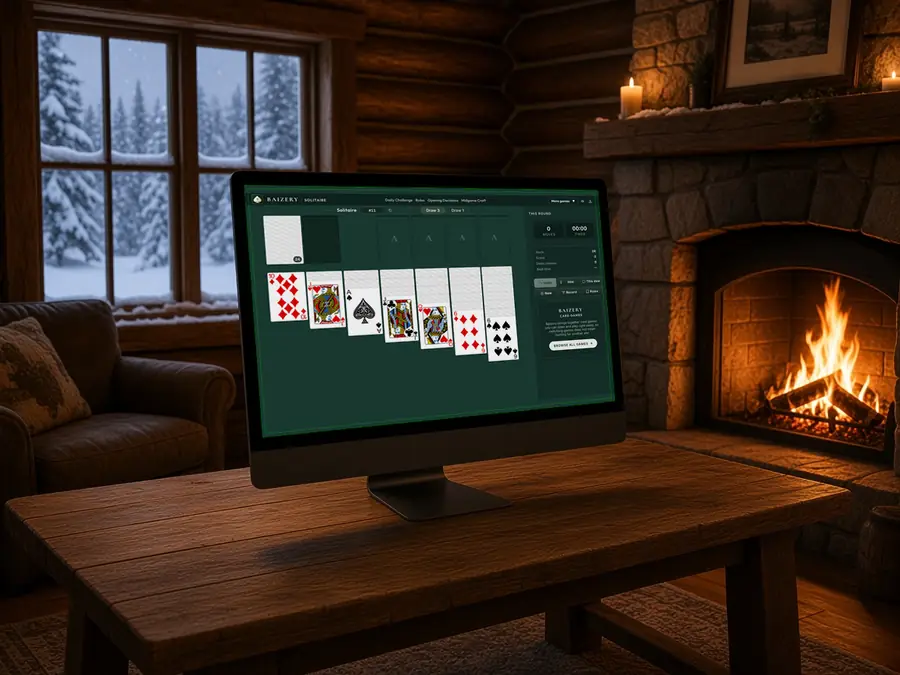
Turn the right hidden card first
Do not chase a long smooth run on move one. Start with the column that is closest to the next reveal. If the early game only makes the surface prettier, the cards that decide the hand stay buried underneath.
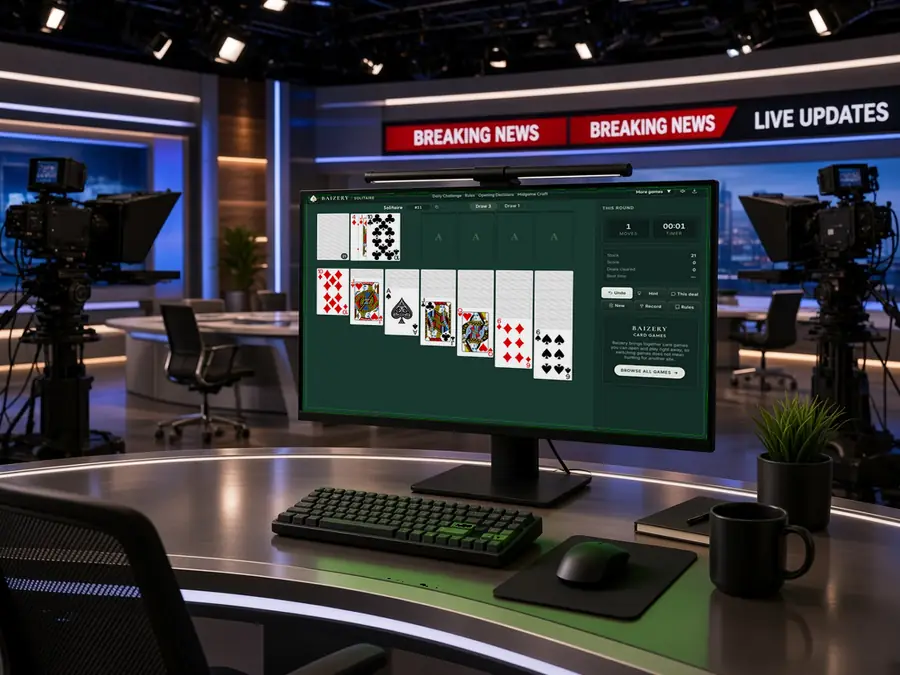
The waste is not refill. It is an order bill.
Draw-three can show three waste cards, but only the top one moves. Another pass is not always progress. Sometimes it is just how the helper card disappears again.
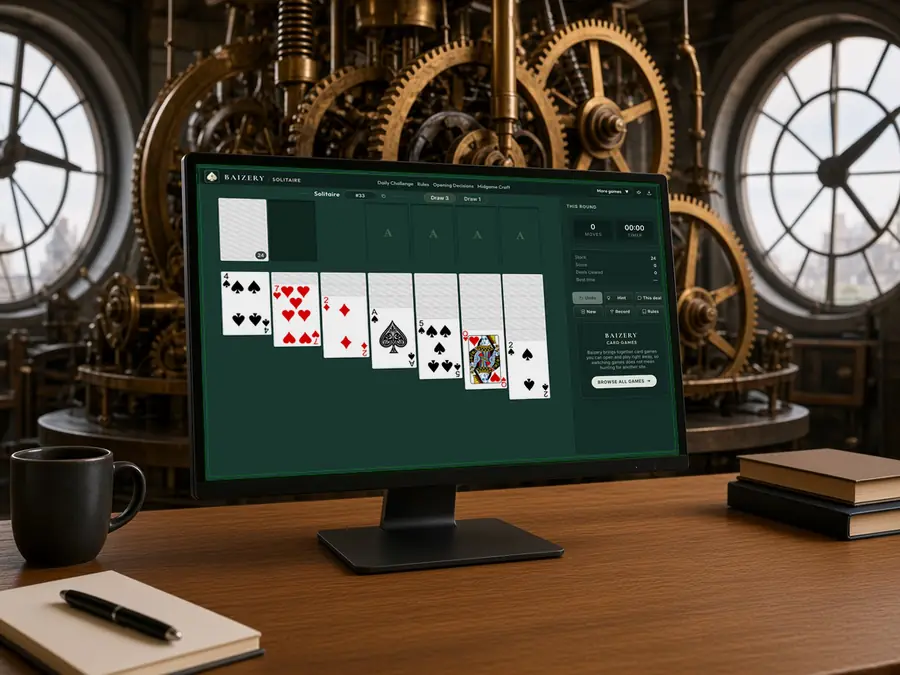
King space is worth more than the empty column
An empty cascade is a rebuilding tool, not a parking lot. The real question is not whether you can clear space. It is which King will claim it, and whether that line keeps the hand alive after it lands.
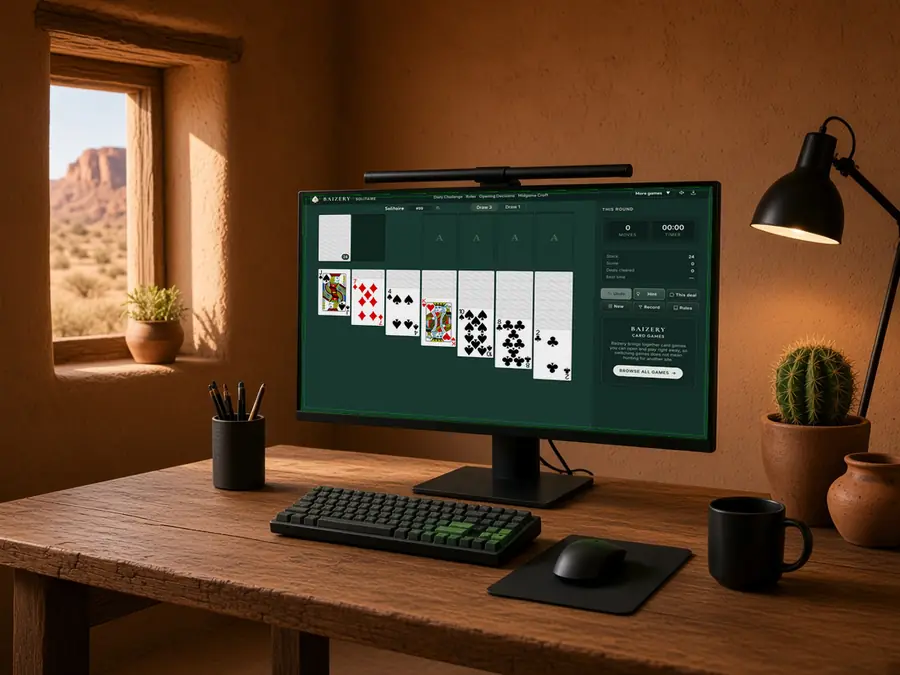
Send safe cards home, keep working ladders
Aces and twos that are not supporting a ladder usually belong on the foundations. If a foundation move breaks the only bridge you still need, leave it one move longer. Klondike is not about racing cards home. It is about keeping paths alive.
Klondike Rules FAQ
What is the actual goal in Klondike?
Move all 52 cards to the four foundations by suit from Ace up to King. The hard part is doing that without wasting empty columns or burying the waste card you still need.
What is the difference between Draw 1 and Draw 3?
Draw 1 turns one stock card at a time, so more of the deck stays reachable. Draw 3 flips three cards onto the waste, and only the top waste card can move. The home page defaults to Draw 3.
Can I move a whole face-up run?
Yes, if every step in that run stays a legal alternating-color build. You cannot skip a broken link just because the ends look tidy.
Should I always send an Ace home right away?
Usually early, yes. But if that Ace is still the only landing spot holding a useful ladder together, check whether moving it home strands something more important.
What should I review after a failed hand?
Look for the first place the order went bad: the hidden card you delayed, the King space you spent too early, or the extra waste pass that buried the helper you still needed.
What habit narrows the hand fastest?
Passing the waste the moment the board slows down, or filling an empty column with the first card that fits. Many deals are not short on legal moves. They are short on moves that preserve order.
Read this, then play a hand
Keep two habits
Before each move, ask whether it turns a hidden card. Before each pass, ask whether the waste top still has a landing spot. Those two habits solve a lot of tight hands on their own.
Where to go next
Read the opening guide, then the midgame guide, then go back home and play one hand with the same questions in mind. Rules are only the entry fee. The edge comes from what you still leave for later.