
Klondike
Local record
Keep the order of every hand clear
0
Wins
—
Best time
—
Fewest moves
Cleared deals
This record lives in the current browser only. There is no account, and nothing is synced to another device. Clearing site data, or the button below, removes it.
This cannot be undone. Clear the record stored in this browser?
Play the cards you can uncover, not just the cards you can move
Klondike gives you many legal moves and very few useful ones. A good move reveals a face-down card, frees a needed rank, or preserves an empty column for a King. Before drawing again, check the waste: the card you cover now may not return in a helpful order, especially in Draw 3.
Four decisions that keep a deal alive
Which move reveals new information?
Prefer a move that turns a face-down card or exposes a useful waste card. Rearranging a face-up run may be legal, but it has little value if the board looks the same afterward.
Should I clear this column now?
Only if a King or a King-led sequence can use the space. An empty column cannot hold any other rank, so clearing one without a follow-up can remove a working lane instead of creating one.
When is a foundation move too early?
Aces and low cards usually belong on the foundations, but not when the tableau still needs them as landing cards. If moving one up breaks the only alternating run you can build on, leave it in play for another turn.
Is the waste top really finished?
Before drawing again, look for every legal landing for the top waste card. In Draw 3, another click changes which cards are reachable; passing too quickly can hide the card that unlocks the tableau.

Make the next face-down card your first target
Count how many moves separate each cascade from its next reveal. A short column is often worth opening before you spend time building a long face-up run elsewhere.
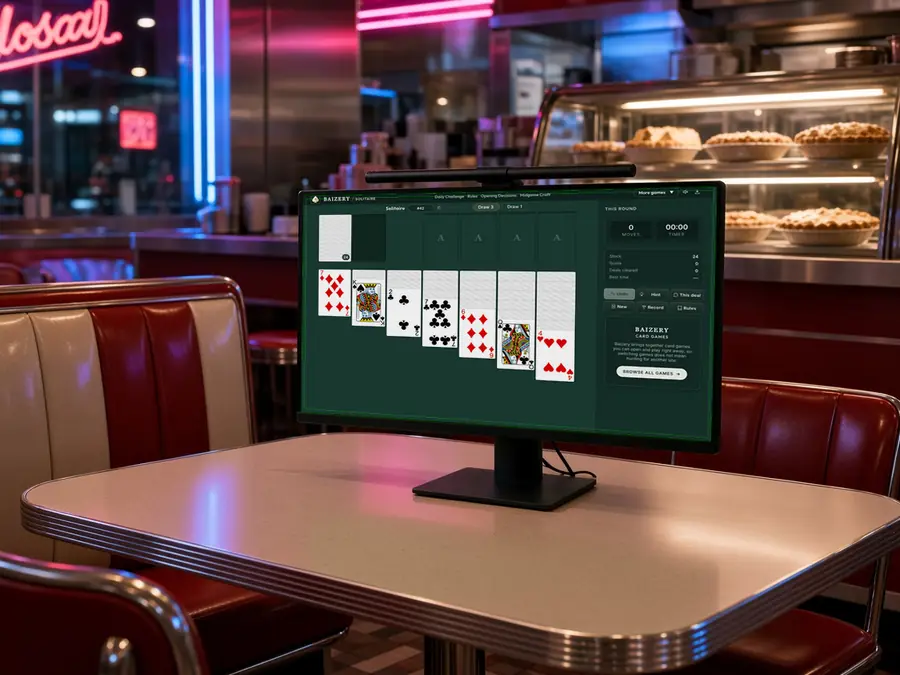
Clear a column only with a King ready
Empty space is useful only when you can fill it with a King or a sequence headed by one. Check the color and the cards beneath that King before you dismantle another column to make room.
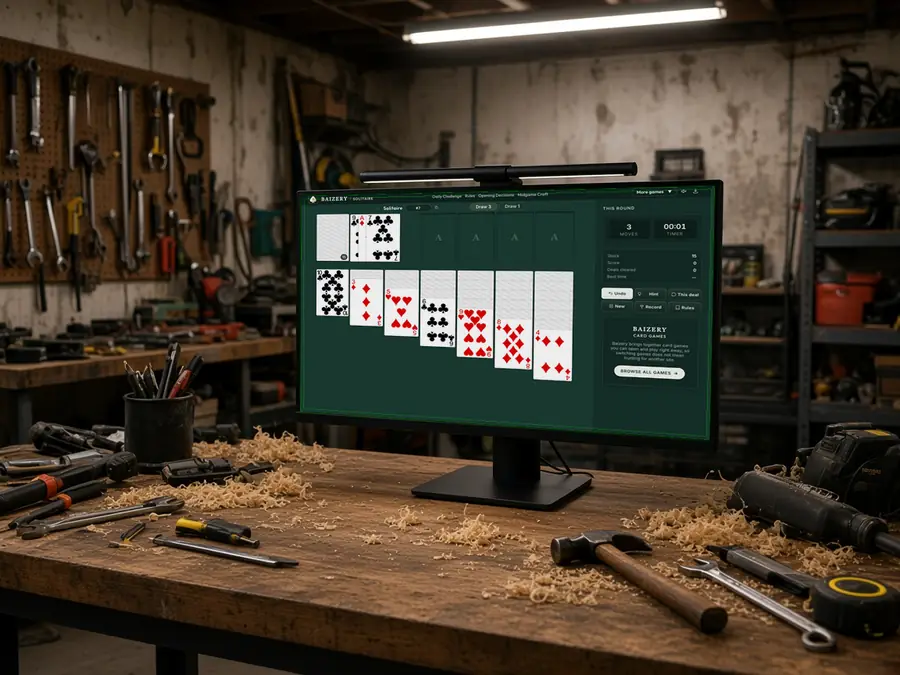
Treat Draw 3 as an order puzzle
Only the top waste card is playable. Notice which cards appear together and avoid cycling the stock until you have used every helpful top card available in the current pass.
Frequently Asked Questions
Where do most Klondike losses really happen?
Usually not at the end. The hand often goes bad earlier, when the hidden card never turns, the first empty column gets spent too soon, or one extra waste pass buries the only helper you had left.
What is the real difference between Draw 1 and Draw 3?
Draw 1 turns one card at a time, so more of the deck stays reachable. Draw 3 turns three at once, and only the top waste card can move. That makes order and memory matter much more. The home page defaults to Draw 3 because that is the version most players actually use.
Can foundation cards come back down?
Yes. If the tableau accepts the landing, a foundation card can come back down. It costs score, but sometimes that is exactly what reconnects a ladder that was about to break.
Should I trust Hint?
Hint highlights a legal move in the current position. It is useful for catching misses, but it does not tell you whether the move makes the waste order tighter or looser.
Why do some hands look smooth and still lose?
Because a smooth surface is not the same as a live hand. You can connect plenty of red-black cards and still fail to turn the key hidden card or leave a real landing spot for the King that matters.
Why reopen a hand by deal number?
Because the same deal number, under the same draw mode, always gives you the same hand. That lets you review the real turning point: which pass was early, which Ace was sent home too soon, or which empty column was spent on the wrong card.